
30 Jul A Quick Guide to Tracking Down a Draining Pool and How to Fix Pool Leakes
There’s a particular kind of anxiety that comes with topping up the pool for the third time in a week. The water level keeps creeping down, the hose keeps coming back out, and somewhere in the back of your mind a few numbers are quietly adding, such as litres lost, dollars added to the bill, and the growing suspicion that this isn’t just the sun doing its thing. Evaporation is real, but it has limits. When your pool is dropping noticeably more than a few millimetres a day, something beneath the surface is to blame.
The frustrating part for pool owners is that a leak almost never announces where it’s hiding. It could be a lot of things, one existing or maybe more, such as the shell, the skimmer, a loose fitting, or a length of pipe buried under the paving you spent a small fortune laying. Most homeowners assume the only move is to seek the expertise and skills of a professional, cross their fingers, and brace for a handsome bill. But before anyone lifts a single paver, there’s a surprising amount of detective work you can do on your own. In fact, a handful of simple tests can narrow down the culprit and tell you whether you’re facing a quick fix or something that runs deeper. Here’s how to read the clues your pool is already handing you.
How to Fix Pool Leaks by Finding Them Yourself First
The golden rule of pool leaks is that you can’t fix what you can’t find. This is exactly why the smartest pool leak repair starts with a diagnosis, not a shovel. The most reliable home experiment is the bucket test. Fill a bucket with pool water, mark the waterline on the inside and outside, sit it on the top step, and leave the pump running as normal for 24 hours. If the pool drops faster than the water inside the bucket, evaporation isn’t your problem, but instead you got a genuine leak. It’s a five-minute setup that saves you weeks of chasing shadows, and it costs nothing but a bit of patience. Try to run it on a mild, still day, too, since a scorching afternoon or a gusty change can skew the reading and send you down the wrong path entirely.
Once you know water is escaping, the next question is where. Run the test again with the pump switched off and compare the results. If the pool loses more while the equipment is running, the trouble is almost certainly on the pressure side. On the other hand, if the return line drops faster with everything off, the suction plumbing or the shell becomes the likelier suspect. This simple split is the backbone of professional pool leak detection. Doing it yourself gives whoever you call a serious head start. While you’re at it, walk the equipment pad and look for a pool pump leaking around its seals or unions. A pool pump leaking at the housing is one of the most common culprits going, easy to spot, and often mistaken for a far scarier underground fault.
If the water’s holding steady but the ground around the pool tells a different story in the form of soggy patches that never dry out, a paver that’s started to sink, air bubbles spitting from the returns, then you’re most likely looking at leaking pool pipes rather than a cracked shell. Buried lines that have shifted, corroded, or split at the joints are one of the most stubborn causes of ongoing water loss, and they’re also the hardest to reach. This is usually where DIY hits its ceiling and proper pool leak repair calls for a camera and trained eyes. A specialist will scope the lines, pressure-test each section, and confirm exactly which run of leaking pool pipes is the offender before recommending a repair. These techniques do not involve guesswork, digging up healthy plumbing on a hunch.
Turning Detective Work Into a Long-Term Fix
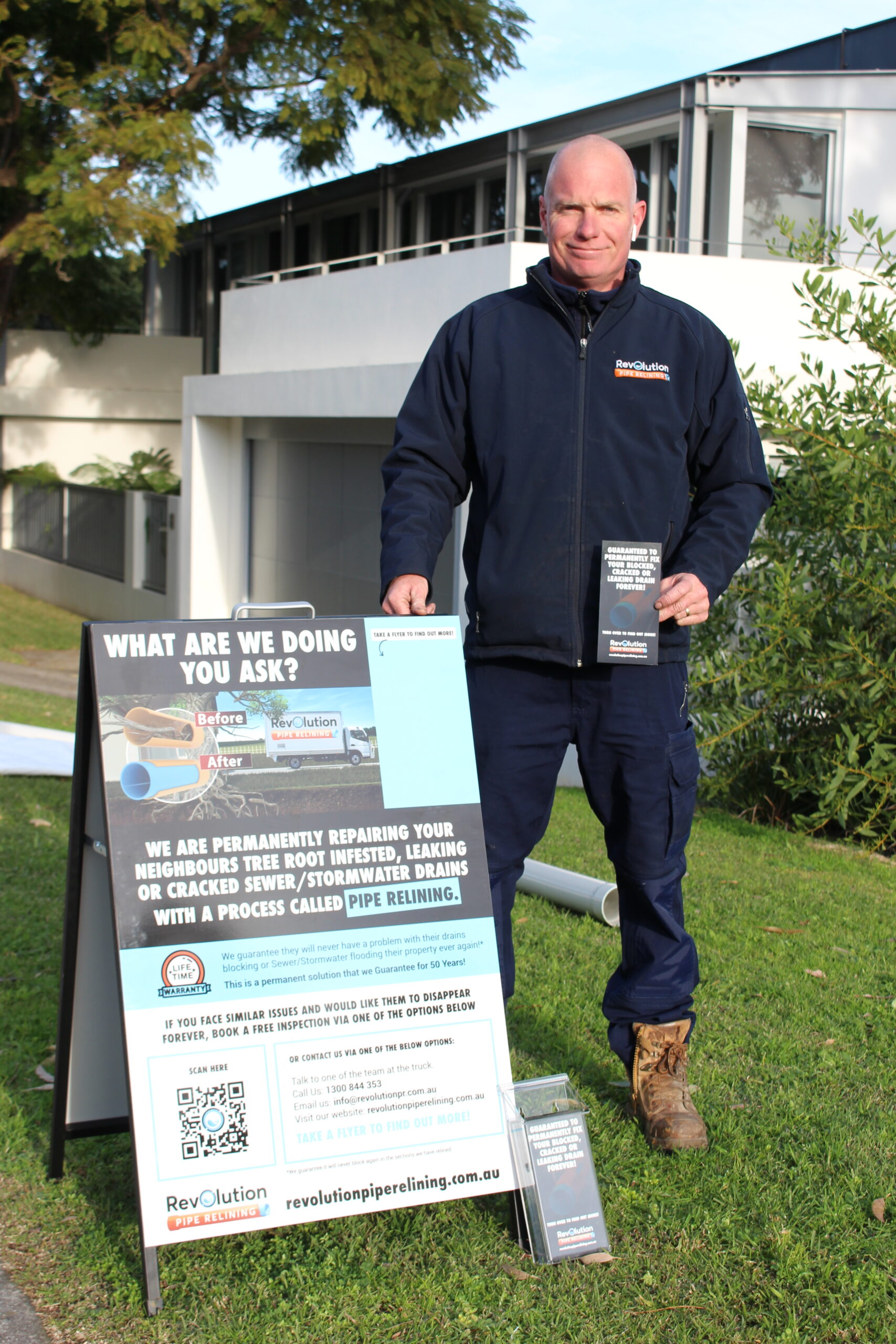
Even when the trail leads to the pipes, fixing them no longer means jackhammering the deck and rebuilding half the yard. Trenchless swimming pool pipe relining threads a resin liner through the existing pipe and cures it into a seamless new one, sealing splits and cracks from the inside out. It’s quick, it leaves your landscaping untouched, and the relined section is built to outlast the original. Professional swimming pool pipe relining has quietly become the go-to answer for tired pool plumbing right across Sydney. If you’d rather a specialist pick up where your bucket test left off, the team at Revolution Pipe Relining can pinpoint the fault and reline it without turning your backyard into a worksite.
With more than four decades in the trade and a lifetime guarantee standing behind every job, Revolution Pipe Relining has earned a reputation local homeowners genuinely trust with its thorough pool leak detection, straight-talking advice, and repairs that actually stay fixed. If your pool is still drinking more water than it should and you want to know how to fix pool leaks in Northern Beaches for good, call 1300 844 353 for a free, no-obligation estimate and let the experts handle the digging.
No Comments