
17 Oct What Are the Symptoms of Sewer Gas Poisoning? How to Tell a Rotten Egg Smell from a Gas Leak, and What to Do First
Issues usually start small. You get home after a weekend away, drop the bags by the door and catch it: a faint whiff of rotten eggs drifting from somewhere near the laundry. You open a window, blame the bin and forget about it. Then it’s back the next morning, a bit stronger. Now you’re standing in the hallway sniffing the air, trying to work out whether this is a plumbing nuisance or something that could hurt your family. That uncertainty is the real problem. A sewer smell in the house and a leaking gas line can seem surprisingly alike to an untrained nose, but they call for completely different responses.
Here’s the quickest way to tell them apart. Mains gas and LPG have no smell of their own, so suppliers add a sulphur-like scent to make leaks noticeable. That smell tends to hang around the cooktop, heater, hot water system or gas meter, and it sometimes comes with a faint hiss. A sewage gas odour usually rises from floor wastes, shower drains, the base of the toilet or the gully trap outside. It’s often worse after a dry spell or when nobody has run water for days. If you suspect gas, don’t flick switches or use anything that sparks. Get everyone outside and ring your gas distributor’s emergency line from the footpath. If it’s the drains, you’ve got a little more breathing room, though not as much as most people think. The reason comes down to what that gas does once you’ve breathed it in.
What Are the Symptoms of Sewer Gas Poisoning, and Why Your Nose Can’t Be Trusted
The main culprit is hydrogen sulfide, the gas behind that rotten egg stink. At the low levels you’d find around a dry trap or a cracked pipe joint, it tends to cause headaches, nausea, a scratchy throat, stinging eyes and a heavy, foggy tiredness that’s easy to blame on a bad night’s sleep. Some people also feel dizzy, irritable or off their food. None of this is dramatic on its own, which is exactly why hydrogen sulfide toxicity so often goes unnoticed at home. The symptoms look like a dozen ordinary complaints.
The giveaway is the pattern. Notice whether you feel worse in certain rooms and better once you’re out in the backyard or off at work. Short-term effects generally ease once a person gets into fresh air, so symptoms that come and go with your time indoors deserve attention. Watch who’s affected, too. The gas is heavier than air and settles in low spots, so young kids, older relatives, people with asthma and pets that sleep on the floor often feel it first.
Here’s the part that catches people out. At higher concentrations, hydrogen sulfide deadens your sense of smell, sometimes within a few minutes. So if a strong sewer smell in the house suddenly “disappears” while you’re standing in the room, that isn’t good news. Your nose may simply have stopped registering it. The same caution applies to gas leak symptoms like dizziness, headaches and nausea, which overlap heavily with sewer gas exposure. If you can’t pin down the source, get out first and investigate later.
If anyone is struggling to breathe, seems confused or collapses, call 000 straight away. Otherwise, air the house out, run water down every little-used drain to refill the traps, and see your GP if you still feel unwell. Then track down the cause. A sewage gas odour that returns after the traps are topped up usually points to a cracked pipe, a perished seal or root damage underground. Ongoing low-level hydrogen sulfide toxicity isn’t something your family should be breathing night after night.
Clear the Air for Good
Most sewer gas problems start small and fixable: a dried-out floor waste, a loose toilet seal, a hairline crack in an old clay line. The trouble is that underground faults rarely fix themselves. They usually get worse after heavy rain or as tree roots push further in. A CCTV camera inspection takes the guesswork out by showing exactly where the pipe has failed, so nobody digs up your garden on a hunch. Once you’ve ruled out gas leak symptoms and confirmed the drains are to blame, that inspection is the smartest next step.
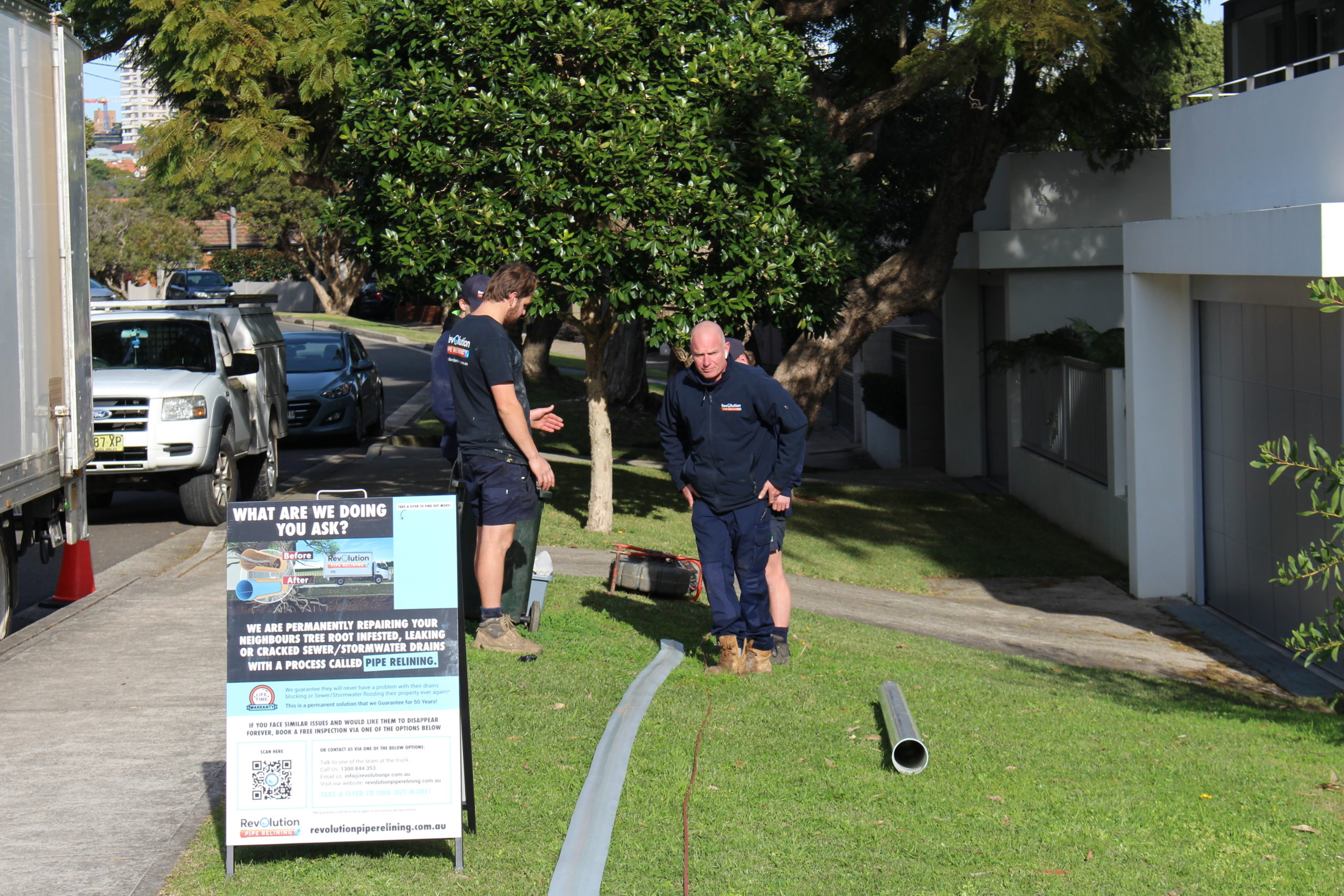
That’s where Revolution Pipe Relining comes in. Our family-run team has relined more than 31,000 metres of pipe, and we back every relined section with a lifetime guarantee. We also come back every year for a free CCTV check to make sure the repair is holding up. We use WaterMark-approved materials and often finish in a single day, with no trenches through your lawn or driveway. If you’ve been searching “what are the symptoms of sewer gas poisoning in Northern Beaches” because something at home doesn’t smell right, call 1300 844 353 today for a comprehensive estimate with no obligation.
No Comments